
For many of us in the African diaspora, the kitchen is more than just a place to cook: it is a portal back home. The smell of frying dodo (fried plantains), the distinct aroma of fermenting Iru / Dawadawa (locust beans), or the sharp scent of authentic Cameroonian White Pepper (Poivre Blanc de Penja) can instantly bridge the thousands of miles between a London apartment and a bustling market in Lagos or Douala.
However, finding these authentic ingredients in a foreign city is often a challenge. Local supermarkets rarely carry the specific regional varieties we need, and generic online shops often lack the transparency required to ensure you are getting the real deal. That is where a peer-to-peer marketplace like BaoAfrik changes the game.
Unlike a traditional shop that sells its own inventory, BaoAfrik is a community-driven platform that connects you directly with sellers who understand exactly what you are looking for. Here are 10 essential things to know about navigating the world of African groceries online.
1. Understand the Peer-to-Peer (P2P) Marketplace Model
The first thing to understand is that BaoAfrik is not a shop. It is a marketplace. This distinction is vital because it means you are not buying from a faceless corporation; you are connecting with individual sellers, local entrepreneurs, and community members.
By operating as a peer-to-peer platform, we empower the diaspora to support one another. A seller in London might have access to fresh, air-freighted snails from Cameroon, while another might specialize in authentic Nigerian seasonings. This model ensures a much wider variety of traditional items than any single store could ever hope to stock.
2. Decode Regional and Traditional Synonyms
One of the most beautiful aspects of African cuisine is its diversity, but this can also lead to confusion when searching for ingredients online. A single product might have five different names depending on the region or language.
When browsing the BaoAfrik marketplace, it is helpful to look for synonyms. For example:
- Gari (Cassava Flakes): A staple in many West African households.
- Egusi (Melon Seeds): The primary ingredient for the beloved Egusi soup.
- Ogbono (Wild Mango Seeds / Dika Nuts): Known for its thickening properties in traditional soups.
- Plantain (Dodo / Ipekere / Makemba): Whether you call it dodo when fried or makemba in Central Africa, knowing these terms helps you find exactly what you need.
Our platform encourages sellers to use these traditional names alongside standard English translations to ensure authenticity and accessibility for everyone in the community.
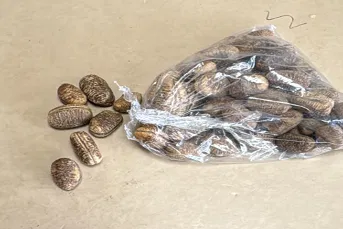
3. Prioritize Geographic Origin and Authenticity
When buying African food online, the origin of the product matters. Certain spices and ingredients derive their unique flavor profiles from the soil and climate of specific regions. For example, Penja Pepper from Cameroon is world-renowned for its specific pungency, which cannot be replicated elsewhere.
Always check the product description for geographic origins. A factual, grounded listing should specify if the item was sourced directly from the continent. On BaoAfrik, many listings: like our Cameroonian spices: clearly state the origin, ensuring that you are receiving the authentic flavor you remember from home.
4. Evaluate Freshness Through Traditional Visual Cues
While you cannot smell a product through a screen, you can look for visual indicators of freshness and quality. High-quality product photography is a standard we encourage for all our listings.
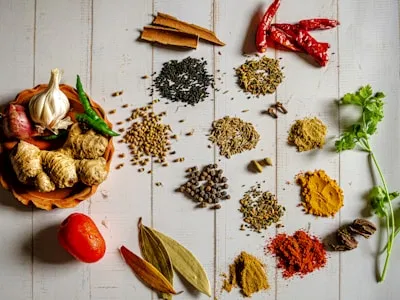
When looking at items like dried fish or crayfish, look for a vibrant, natural color rather than a dull, greyish hue. For spices, look for clear, uninterrupted shots that highlight texture. For instance, authentic Ginger (Zingiber officinale) should appear firm and have a clean, light-brown skin. If the photos are blurry or generic stock images, proceed with caution. Genuine sellers on BaoAfrik take pride in showing you the actual product you will receive.
5. Pay Attention to Specific Measurements and Weights
In a traditional market, you might buy "a custard bucket" or "a mudu" of grain. Online, transparency requires standardized measurements. To avoid any surprises, always check the weight in kilograms (kg), grams (g), or pounds (lbs).
A reputable listing will provide data-heavy descriptors. For example, a listing for White Pepper should specify whether you are receiving 100g, 250g, or 1kg. This level of detail ensures that the community stays informed and that prices are fair and comparable across different sellers.
6. Use the "Product Request" Feature for Hard-to-Find Items
Sometimes, what you are looking for is so niche or specific that it isn’t currently listed. Perhaps you need a very specific type of medicinal herb or a regional snack that isn't commonly exported.
BaoAfrik offers a unique Request Feature where you can post exactly what you are looking for. The community of sellers can then see your request and fulfill it if they have the item. This community-focused problem-solving is what makes a P2P marketplace far more effective than a standard retail store.

7. Verify Seller Trust and Community Feedback
One of the risks of buying online is the uncertainty of who you are dealing with. A marketplace model thrives on trust. Before making a purchase, take a moment to look at the seller's profile.
Check for:
- Verification Status: Has the seller's identity been confirmed?
- Customer Reviews: What have other community members said about the freshness of their food or the speed of their delivery?
- Location: Is the seller local to you, or will the items need to be shipped across the country?
This transparency is built into the BaoAfrik platform to provide a safe and reliable shopping experience for everyone.
8. Identifying Authentic Processing (Handcrafted vs. Mass-Produced)
Many of the most beloved African foods are prepared using traditional, handcrafted methods. Whether it is Palm Oil (Opo-Ile / Huile de Palme) that has been cold-pressed or Shea Butter (Ori / Beurre de Karité) that has been hand-processed, the method matters.
Look for evocative adjectives like "traditional," "authentic," and "natural" in the descriptions. These aren't just marketing terms; they often indicate that the product has been prepared using the same methods passed down through generations. Supporting these products helps preserve our cultural heritage and supports the artisans who keep these traditions alive.
9. Navigate Categories Using a Rigid Hierarchy
To make your shopping experience easier, we use a structured hierarchy of categories. Navigating a vast marketplace can be overwhelming, so focusing on specific subheaders helps you find what you need quickly.
On BaoAfrik, you will find clear divisions such as:
- Food & Spices: Traditional ingredients, seasonings, and authentic food items.
- Fashion & Textiles: Traditional clothing and fabrics like Ankara.
- Beauty & Wellness: Skincare and wellness items like Black Soap.
- Home & Decor: African art and decorative pieces.
This organization allows for easy navigation and scannability, ensuring you can stock your pantry and your home without the stress of a disorganized search.
10. Logistics, Shipping, and Local Delivery
Finally, consider the logistics. Because BaoAfrik connects buyers and sellers directly, shipping methods can vary. Some sellers may offer local pickup in cities like London, while others might use standard postal services.
Always check the shipping details on the listing. A utilitarian and informative approach to logistics helps prevent delays. If you are ordering perishable items, ensure that the seller has a plan for quick delivery to maintain the freshness of the goods.

Bringing the Culture Home
Buying African groceries online should be an experience that fills you with nostalgia and excitement, not frustration. By understanding the marketplace model and knowing what to look for in terms of authenticity, synonyms, and seller trust, you can ensure that your kitchen remains a sanctuary of African culture.
At BaoAfrik, our mission is to bridge the gap between the continent and the diaspora, creating a trusted space where our community can thrive. Whether you are looking for the perfect seasoning for your Jollof rice or the authentic Gari from your childhood, we are here to help you find it.
Looking for African products near you? Visit BaoAfrik.com
Leave a Reply